The Pilates Chair
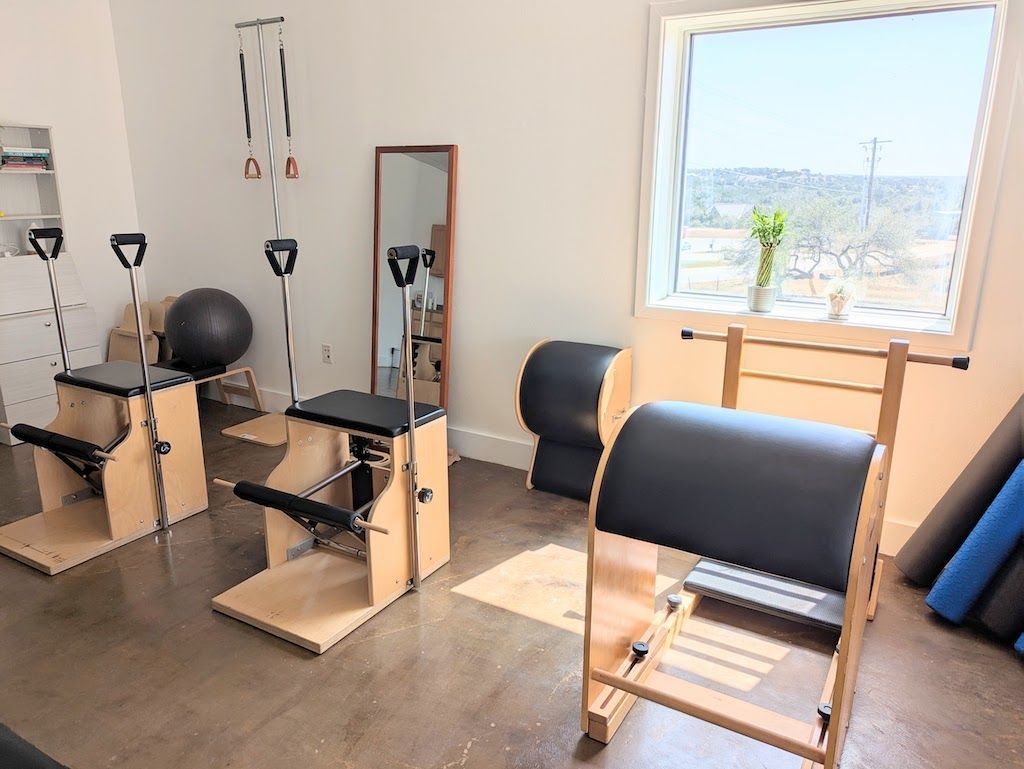
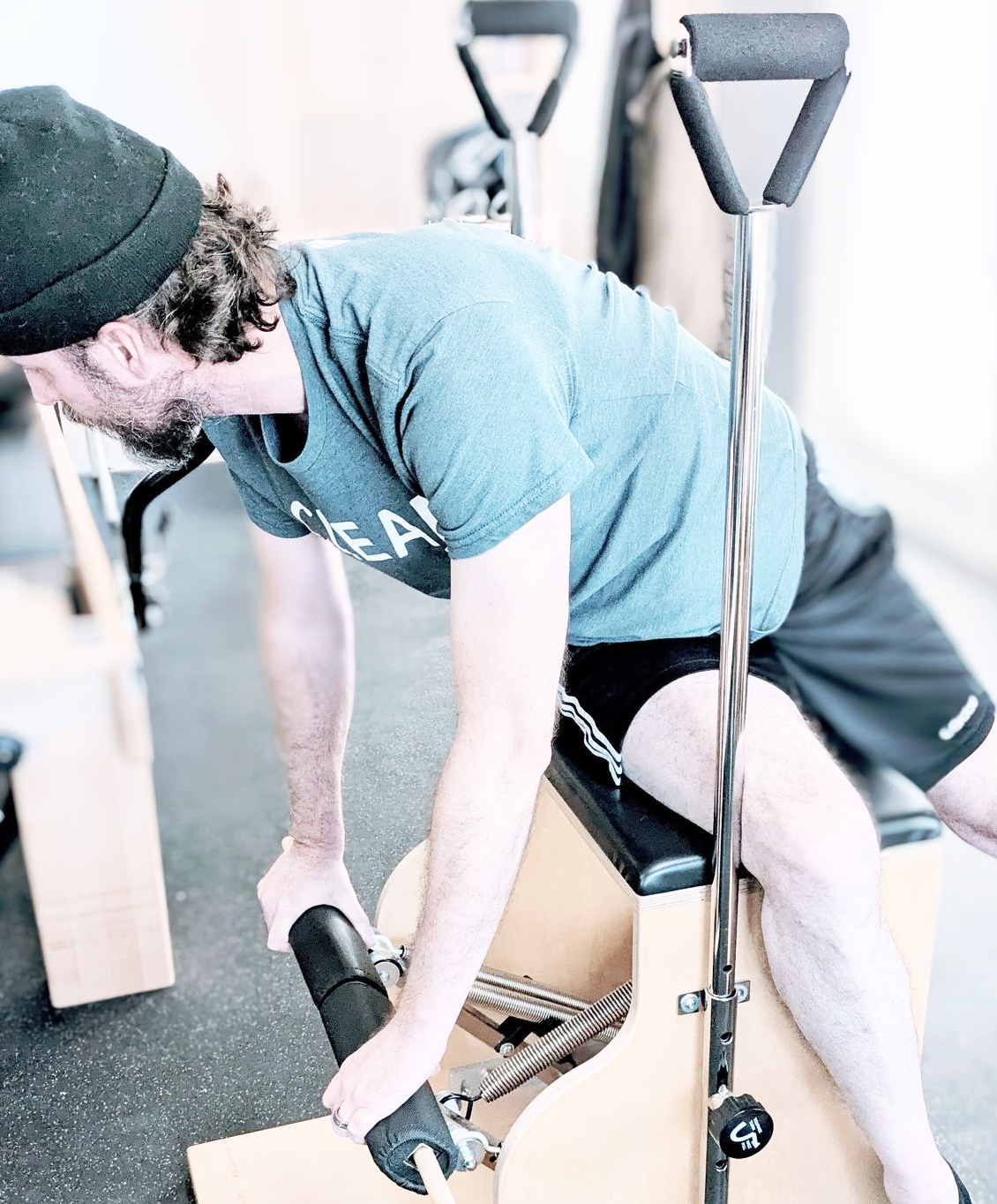
The Pilates chair may be small, but don’t let its size fool you — it’s one of the most athletic pieces of equipment in the entire system.
With its spring-loaded pedal and removable handles, the chair demands strength, balance, and control. Many exercises are performed standing or in single-leg positions, making it incredibly effective for building functional, real-world strength.
The chair is excellent for developing lower body strength, upper body strength and support, hip and leg stability, balance, coordination, and athletic conditioning.
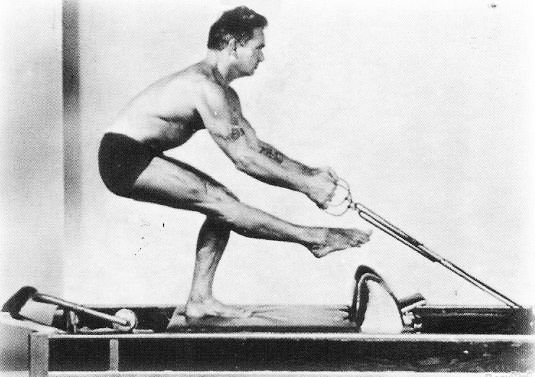
A fun piece of Pilates history: the original “Wunda Chair” was designed by Joseph Pilates to double as furniture. It could sit in your home as a chair, and when you were ready to exercise, you simply turned it on its side and began your workout. When you were done, it returned to being a chair. This reflects his broader philosophy — that movement should be a regular, accessible part of daily life, not something separate from it.
Clients often describe the chair as a bit of a love–hate relationship — challenging, humbling, and incredibly empowering.
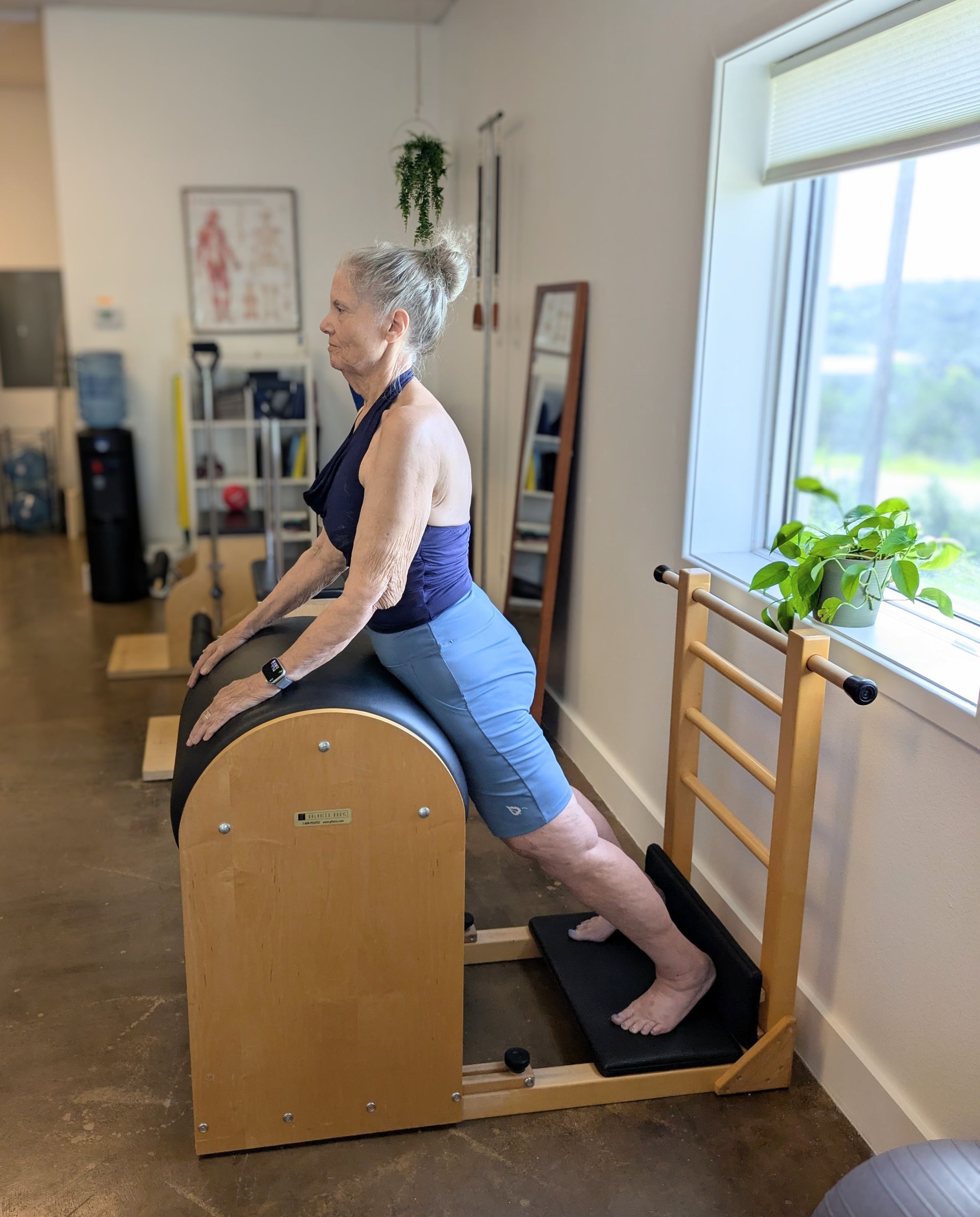
The Barrels (Spine Corrector, Arc & Ladder Barrel)
Pilates barrels may look simple, but they’re incredibly effective.
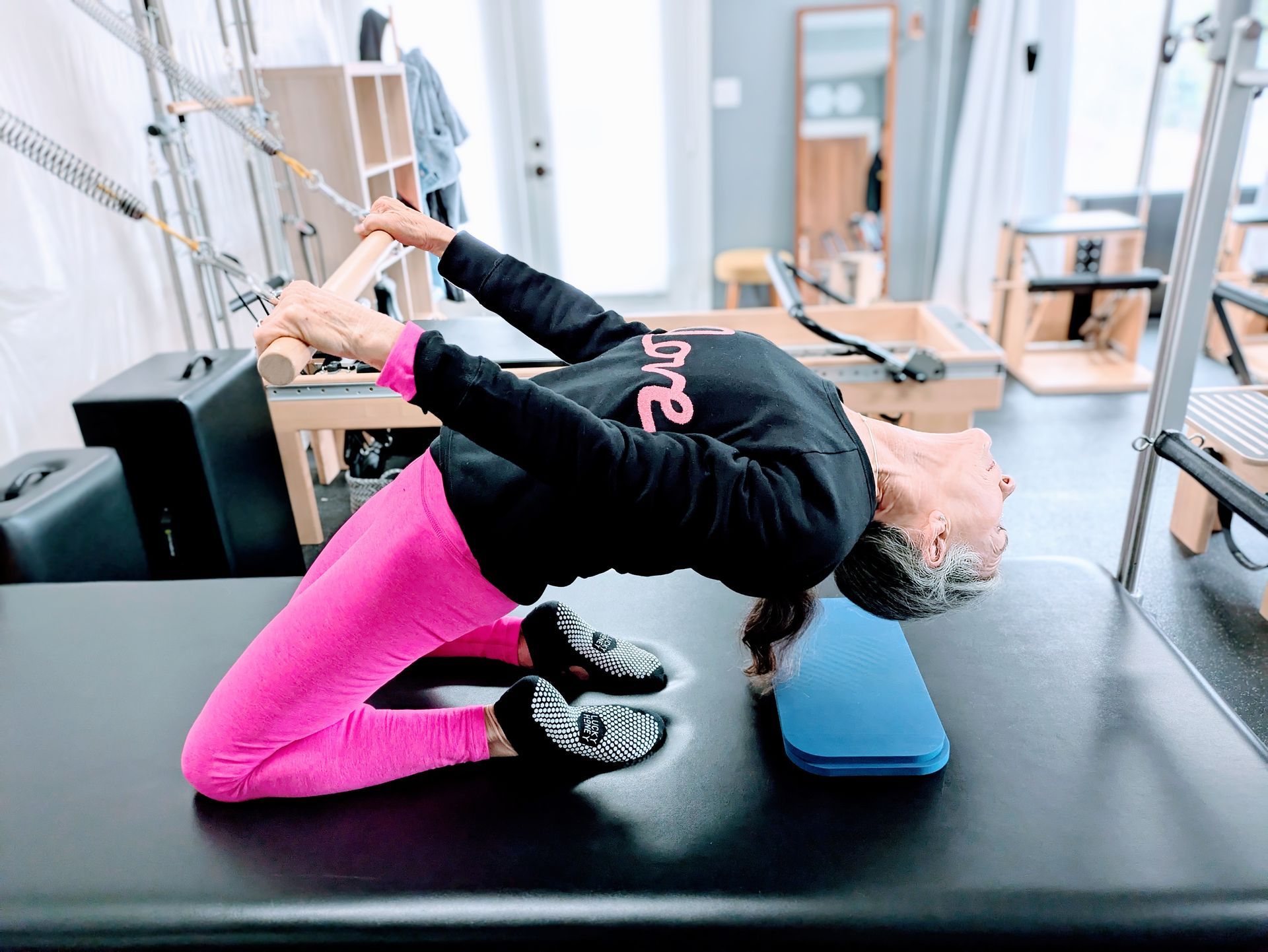
Unlike many other pieces of equipment, barrels don’t use springs. Instead, they rely on their curved shape to support and challenge the body in a completely different way. That curve allows the spine to move through a fuller range of motion — something that’s difficult to achieve on flat surfaces.
The spine corrector and arc are smaller and often used on the mat or floor, while the ladder barrel is larger and includes rungs that provide support for the hands and feet.
The barrels are especially helpful for opening the chest and shoulders, improving spinal extension and posture, supporting the back during core work, and exploring side-bending and rotational movement. They’re also excellent for counteracting the rounded posture many of us develop from time at computers and phones.
And while they may look gentle, the ladder barrel in particular can deliver some surprisingly advanced and demanding exercises.
The Ped-O-Pull
One of the lesser-known pieces of Pilates equipment is the Ped-O-Pull, a tall vertical pole with springs attached at the top.
While it appears simple, it’s incredibly effective for improving posture, alignment, and spinal awareness.
Because the springs pull downward, the Ped-O-Pull encourages the body to organize itself vertically, helping you feel taller, more lifted, and more balanced.
It’s often described as a posture teacher.
The Foot Corrector
The foot corrector is a small but powerful tool designed to strengthen the feet and support proper alignment through the ankles, knees, and hips.
Our feet are the foundation of how we move. When they’re strong and responsive, everything above them works better.
Training the feet can improve balance, walking mechanics, knee tracking, and hip stability.
It’s a great reminder that Pilates truly works from the ground up.
Small Props, Big Impact
In addition to the larger apparatus, Pilates also incorporates smaller tools like the magic circle, toe corrector, small balls, and boxes.
These props may seem simple, but they add layers of feedback, resistance, and support that help you better understand how to engage your body.
They’re often used to improve alignment and awareness, activate specific muscle groups, add challenge or assistance to exercises, and refine technique and control.
Sometimes the smallest tools create the biggest “aha” moments.
Why Pilates Uses So Many Different Apparatus
Each piece of equipment offers a different relationship with gravity, resistance, and support. By working across multiple apparatus, you experience a wider range of exercises, develop strength in different ways, improve coordination and body awareness, avoid overtraining the same patterns, and build a more balanced and resilient body.
It also keeps workouts interesting, engaging, and dynamic — something many clients love.
What This Means for Our Group Classes
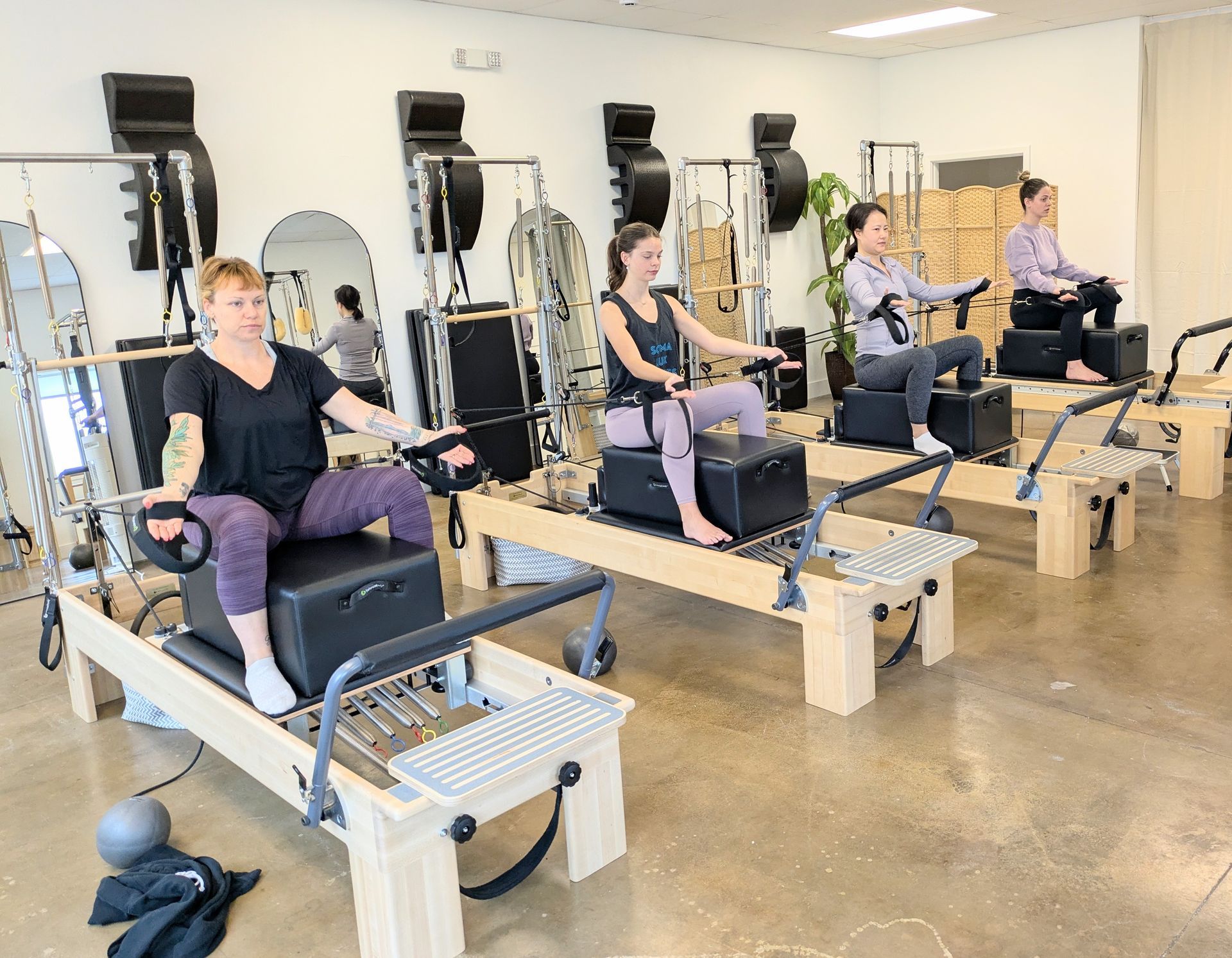
At Soma Lux, our group classes are designed to help you experience more of the Pilates method, not just the Reformer.
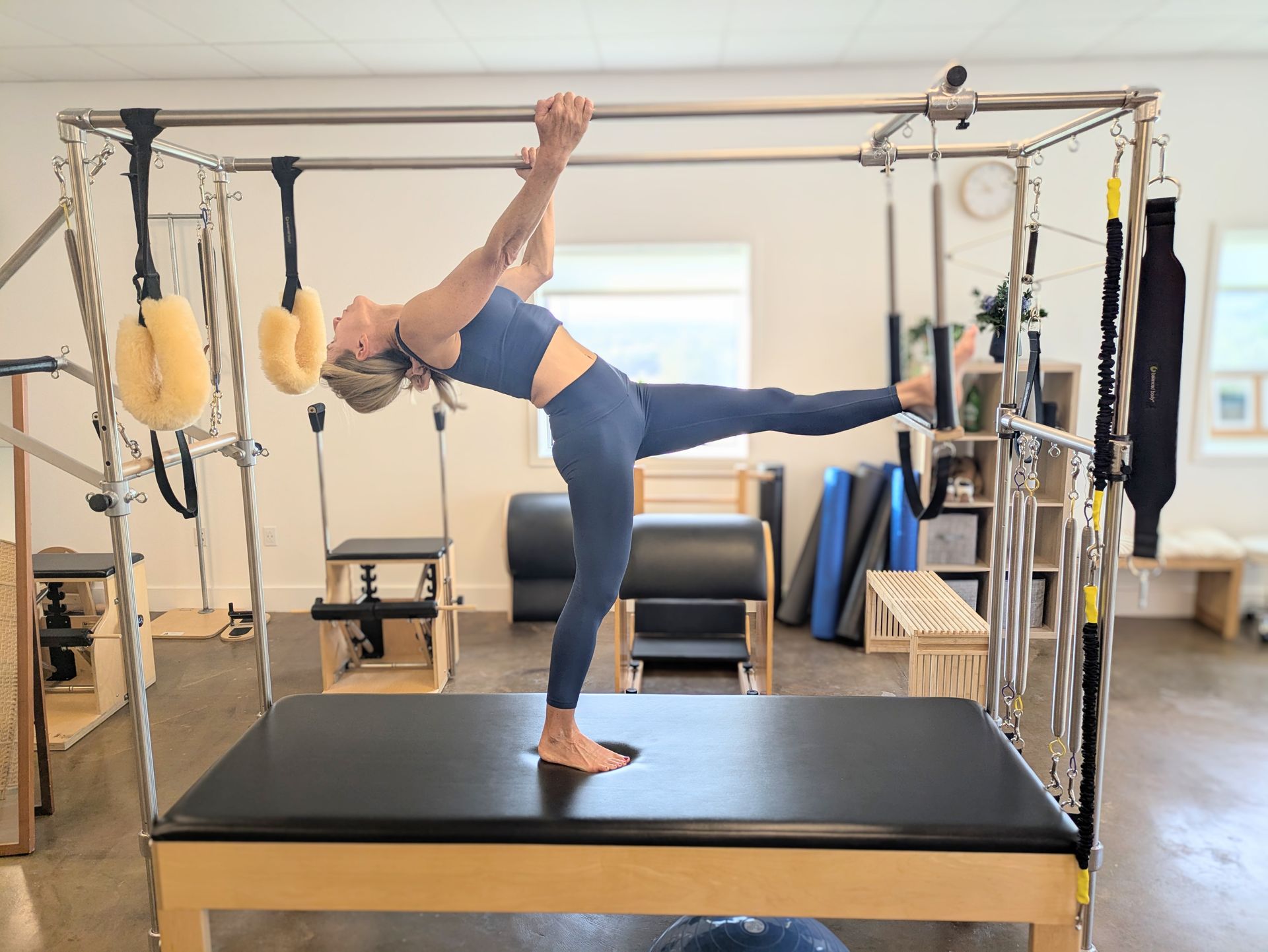
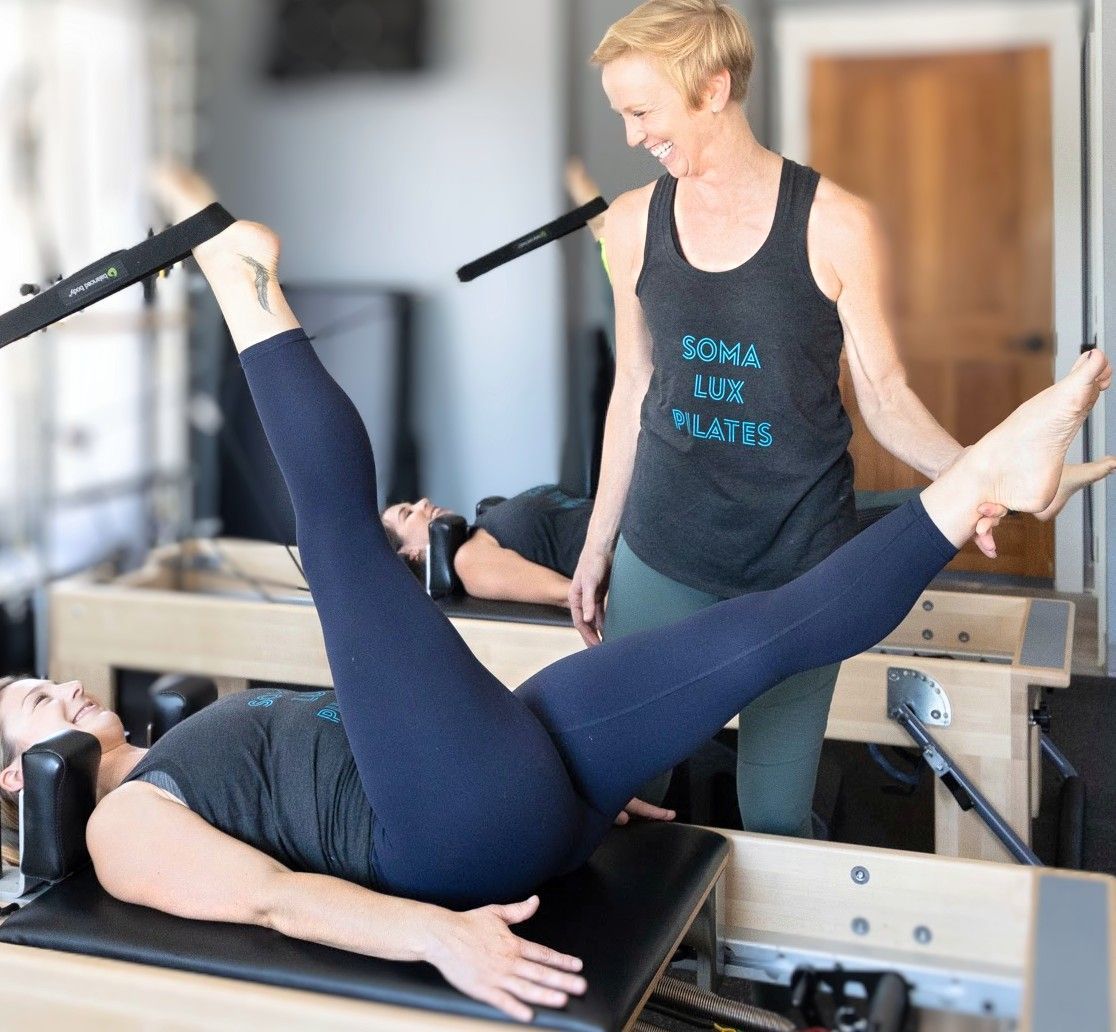
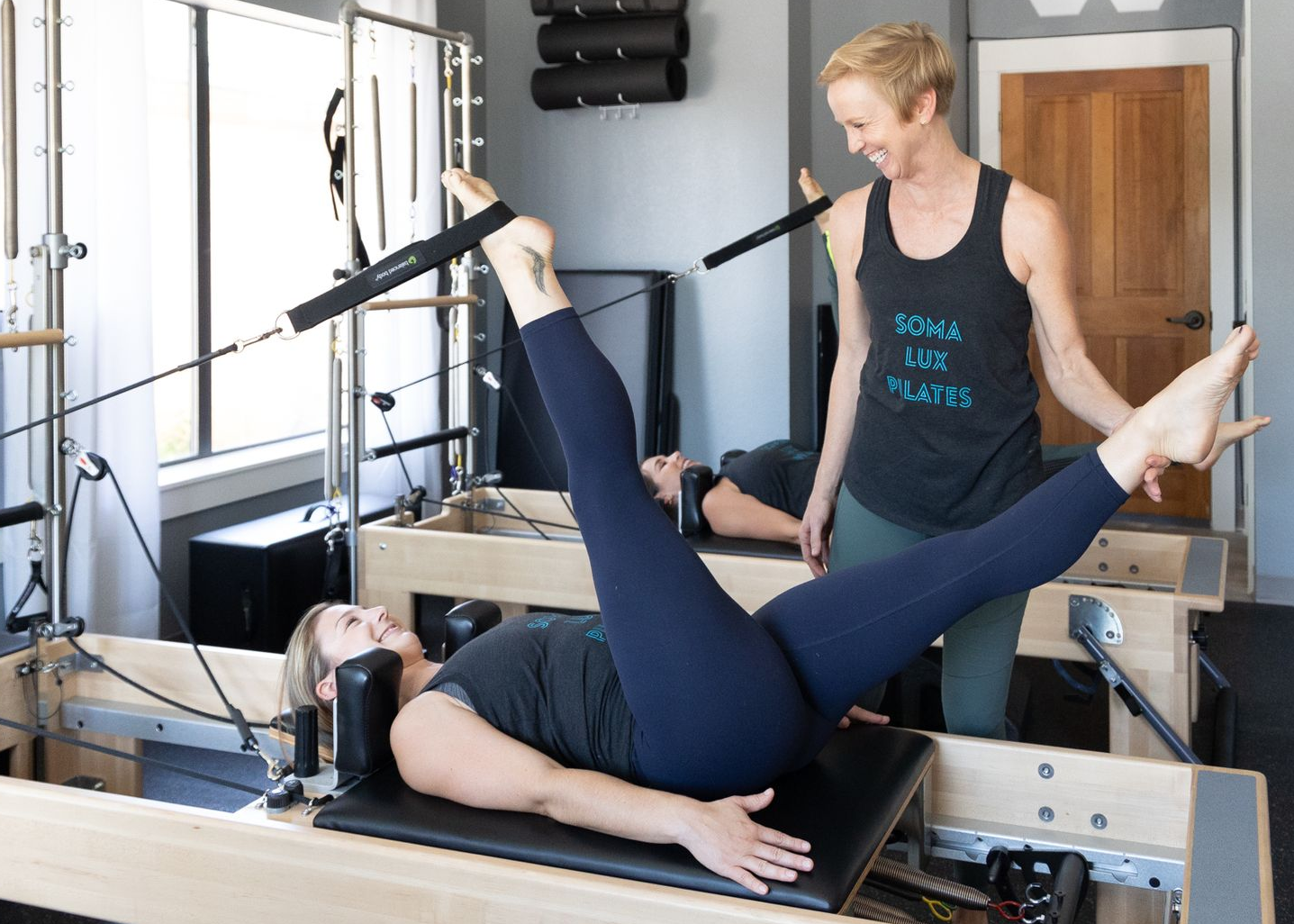
While you’ll certainly use the Reformer often, you’ll also work with the mat and tower system, the Pilates chair, spine correctors and arcs, and a variety of small props. This allows us to expand the repertoire of exercises and help you build strength, mobility, balance, and control more completely. Many clients are surprised to discover that some of their favorite exercises happen off the Reformer.
The Bigger Picture
Pilates was never intended to be limited to a single piece of equipment. It’s a thoughtful, intelligent system designed to train the body from many different angles, developing strength, coordination, posture, and ease of movement.
And that’s exactly what we aim to share at Soma Lux.
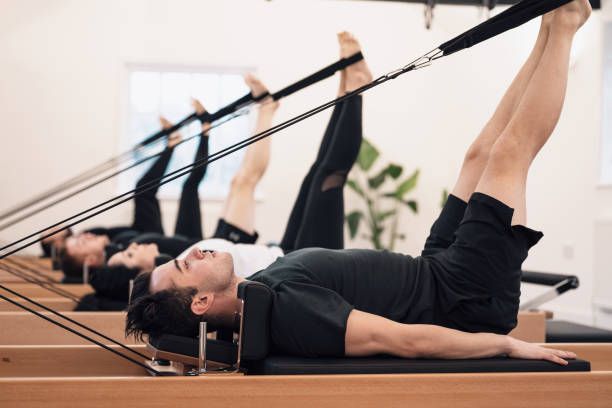
Whether you’re on the Reformer, the chair, the tower, or the barrel, the goal is always the same: to help you move with greater strength, balance, and confidence in your body.
If you’re curious to experience the full Pilates method, we’d love to welcome you into the studio.
Explore our classes or schedule your first session
here.