When people are exploring a new movement practice, one of the most common questions we hear is: Pilates or yoga—what’s the difference? Both offer meaningful benefits for the body and mind, but they come from different traditions and serve slightly different goals.
At Soma Lux Pilates in Dripping Springs, Texas, we often work with clients who practice yoga, Pilates, or a combination of both. Understanding how they overlap—and how they differ—can help you choose the best fit for your body and lifestyle.
How Pilates and Yoga Are Similar
Pilates and yoga share several foundational elements, which is why they’re often compared:
- Both emphasize breath awareness
- Both support length, mobility, and body awareness
- Both encourage moving with intention rather than rushing through exercise
- Both can improve posture, flexibility, and mental focus
For beginners especially, both practices offer a slower, more mindful alternative to high-impact fitness.
Key Differences Between Pilates and Yoga
While they may look similar at times, Pilates and yoga have different origins and approaches.
Yoga
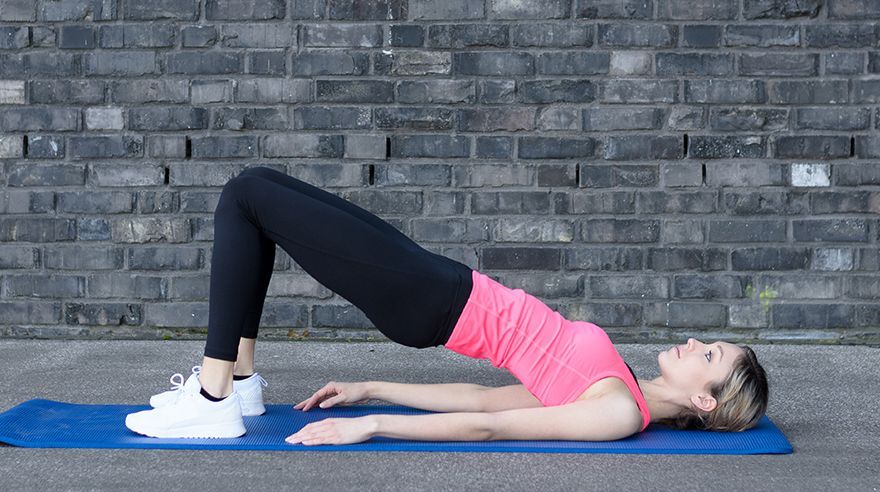
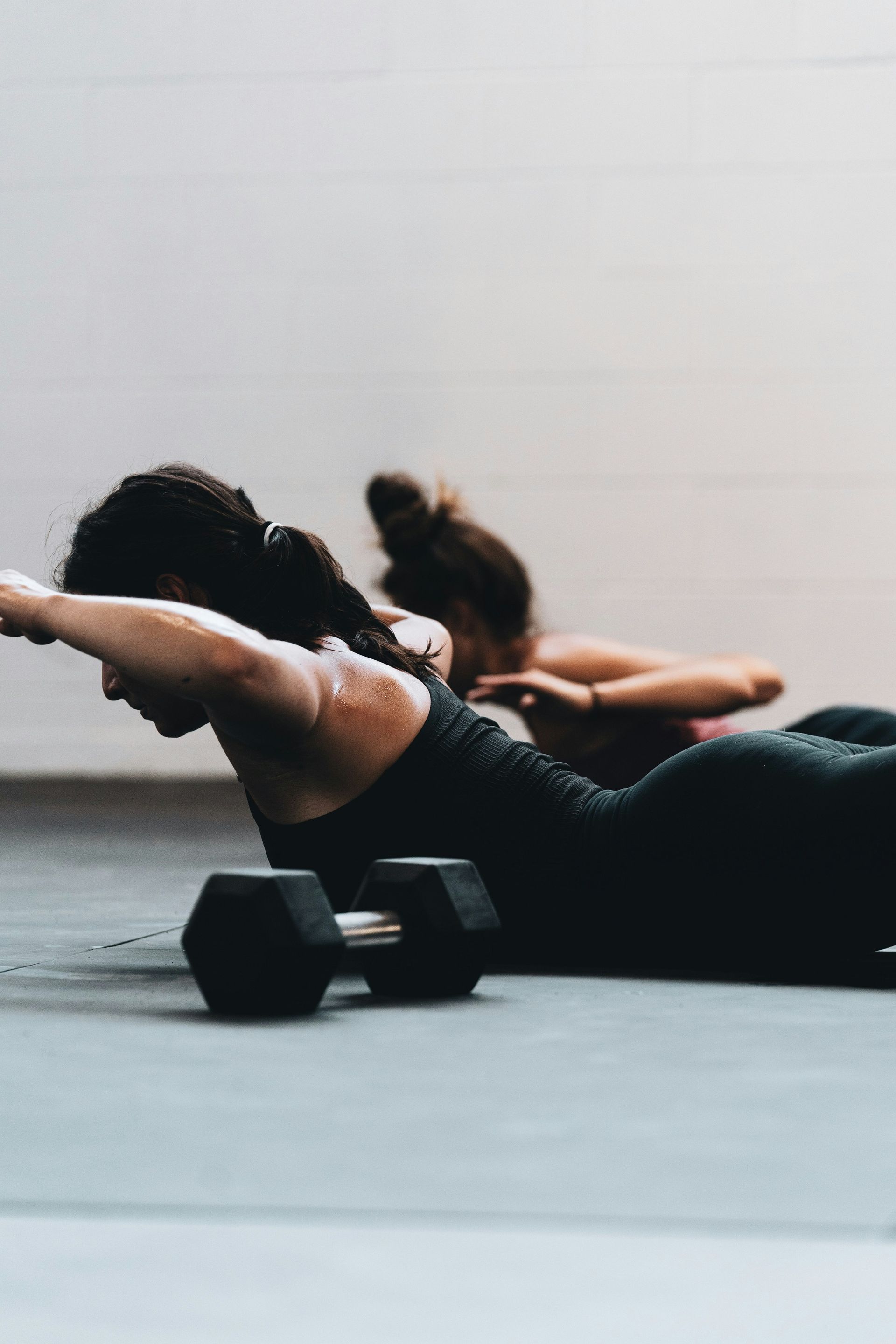
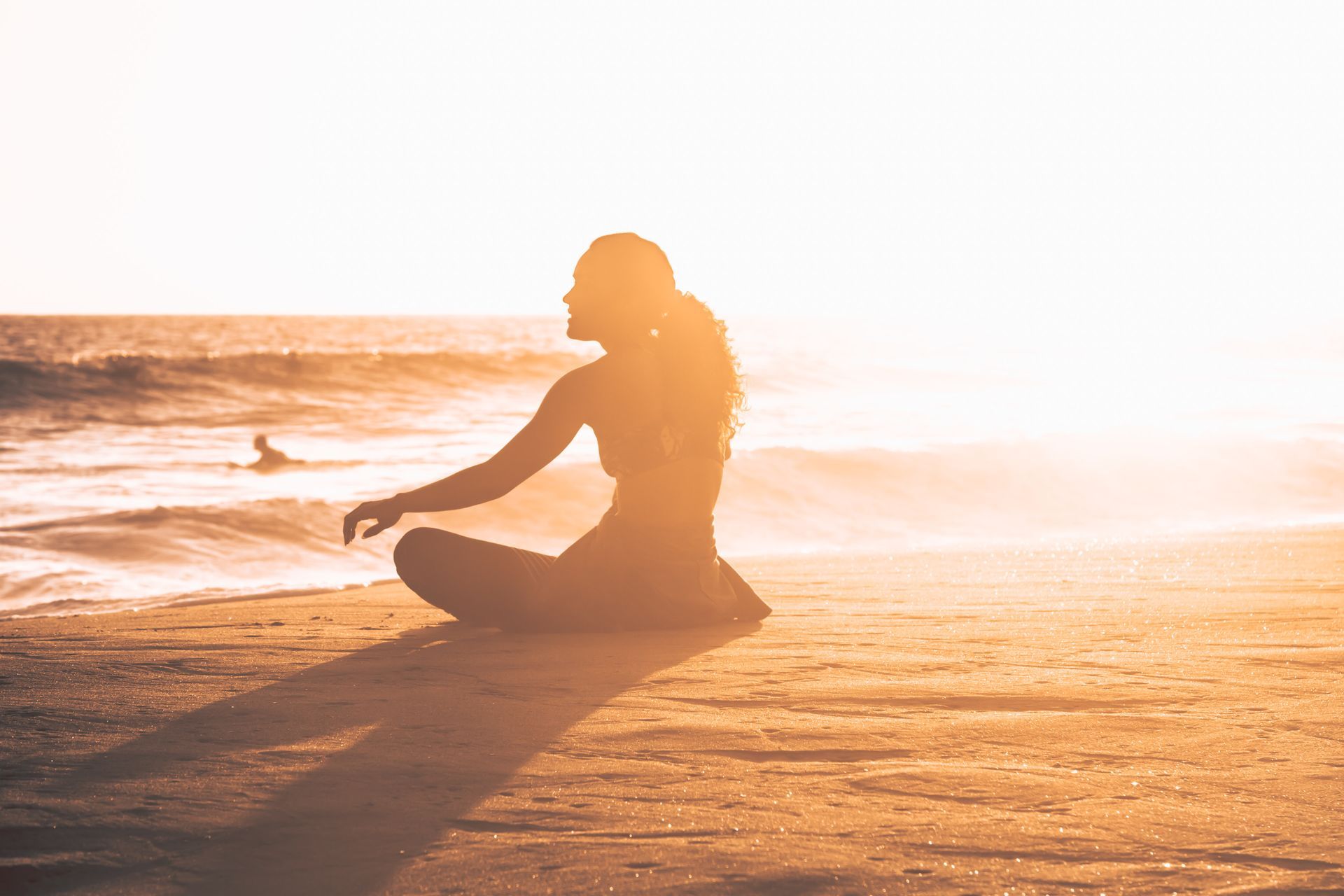
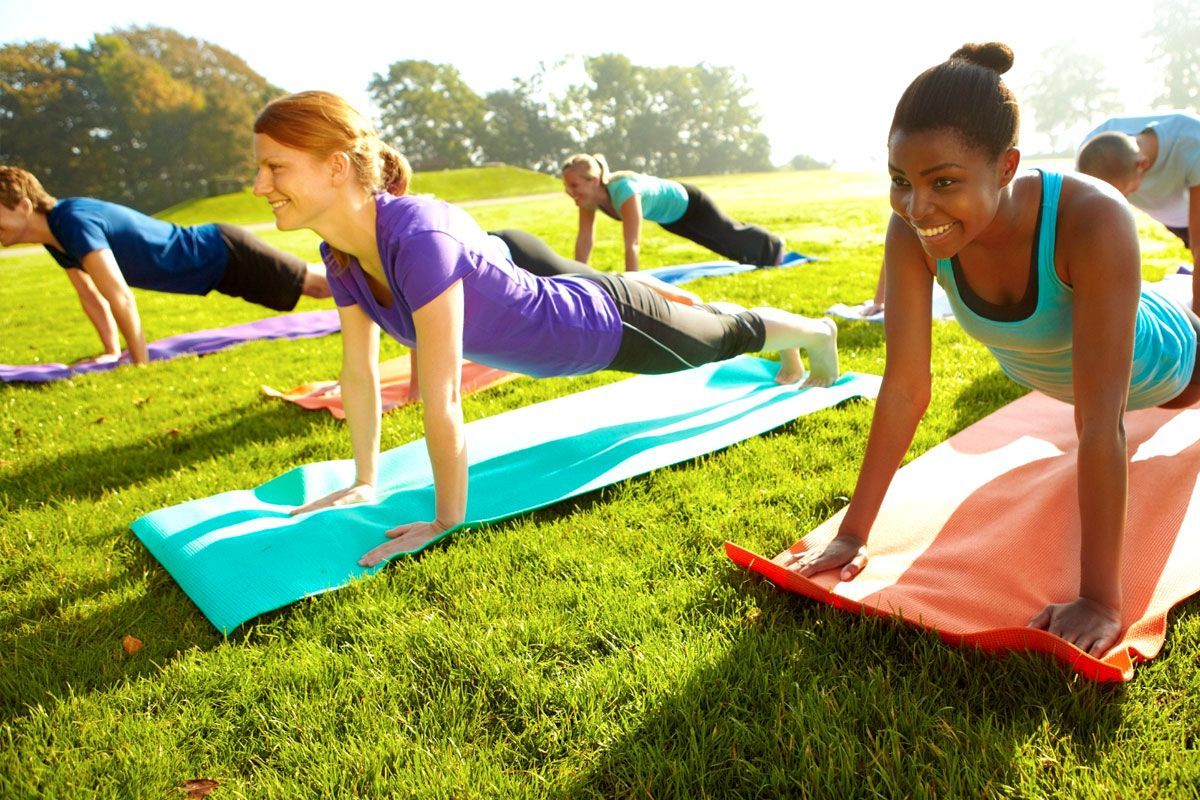
Yoga originated thousands of years ago and is deeply rooted in spiritual and philosophical traditions. Depending on the style, a yoga class may include meditation, breathwork, and flowing or held postures designed to improve flexibility, balance, and mindfulness. Yoga classes vary widely by style, but they are often mat-based and taught as a shared sequence, with an emphasis on poses, flow, breath, and—depending on the tradition—spiritual or philosophical elements.
Pilates
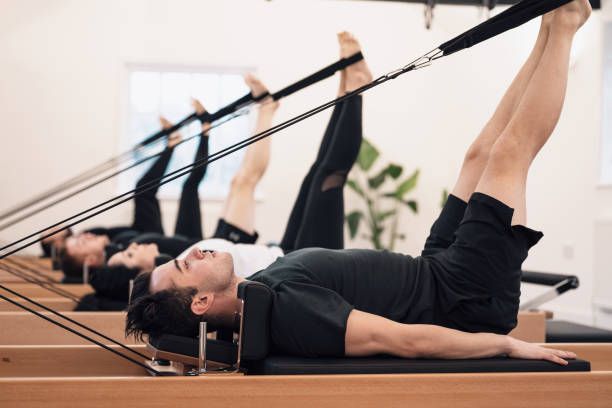
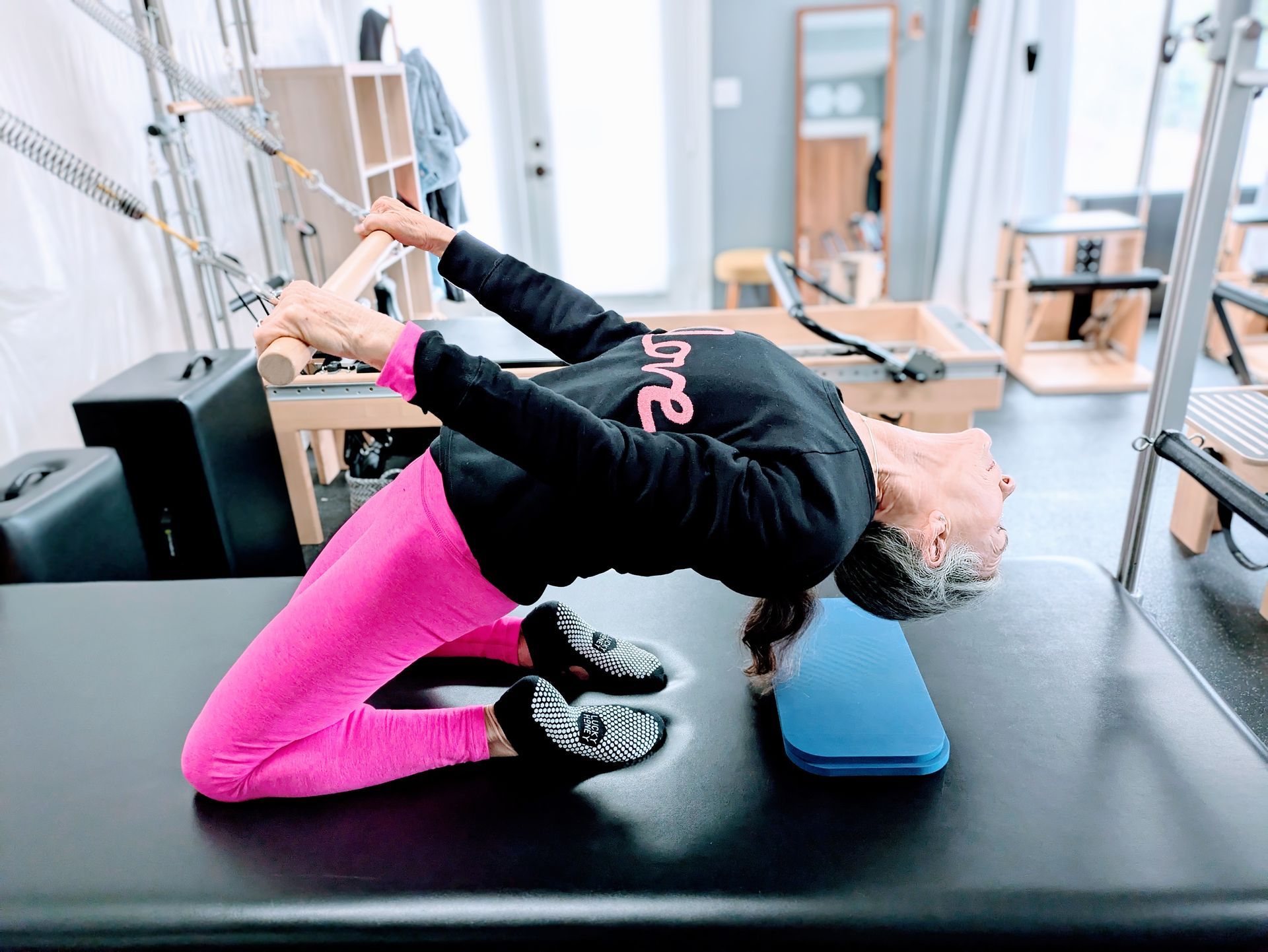
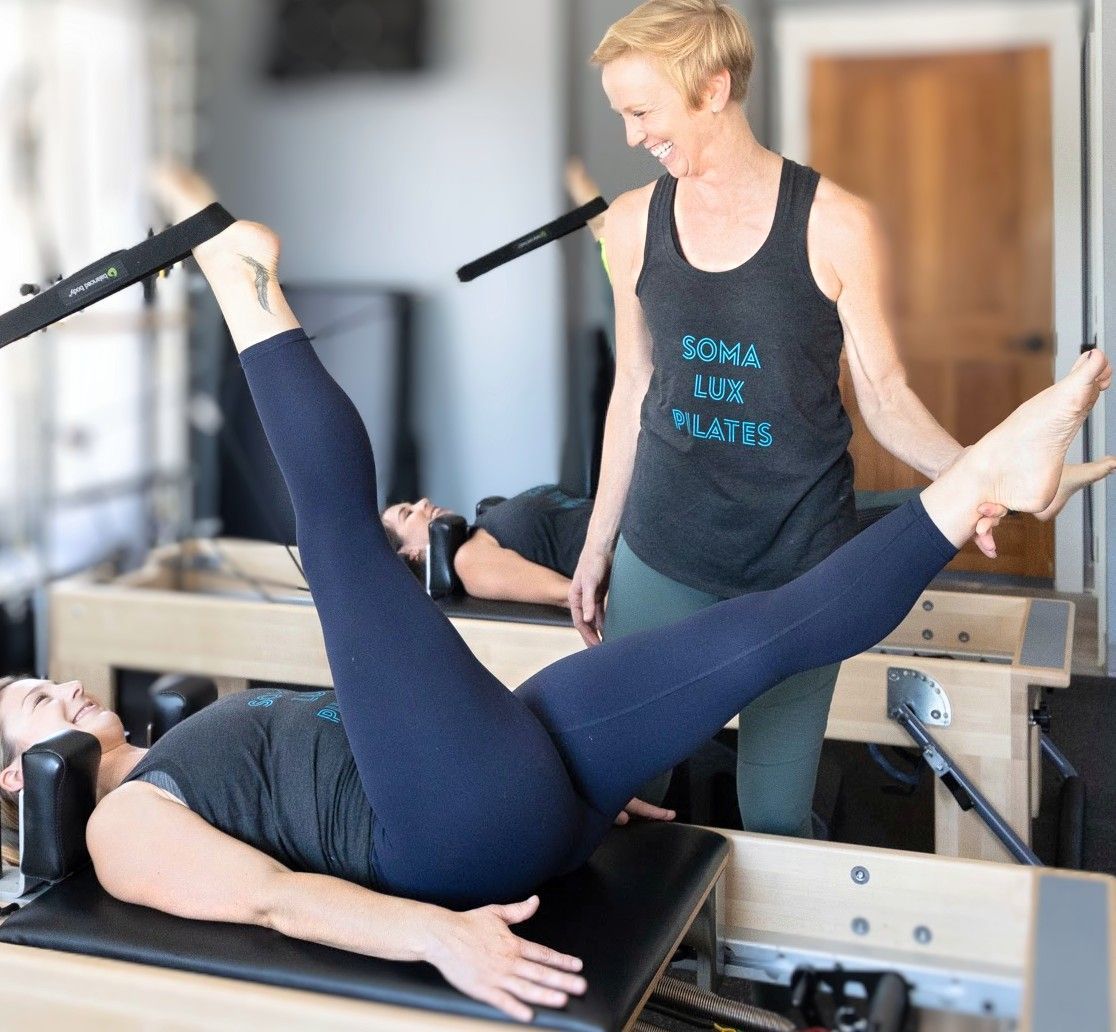
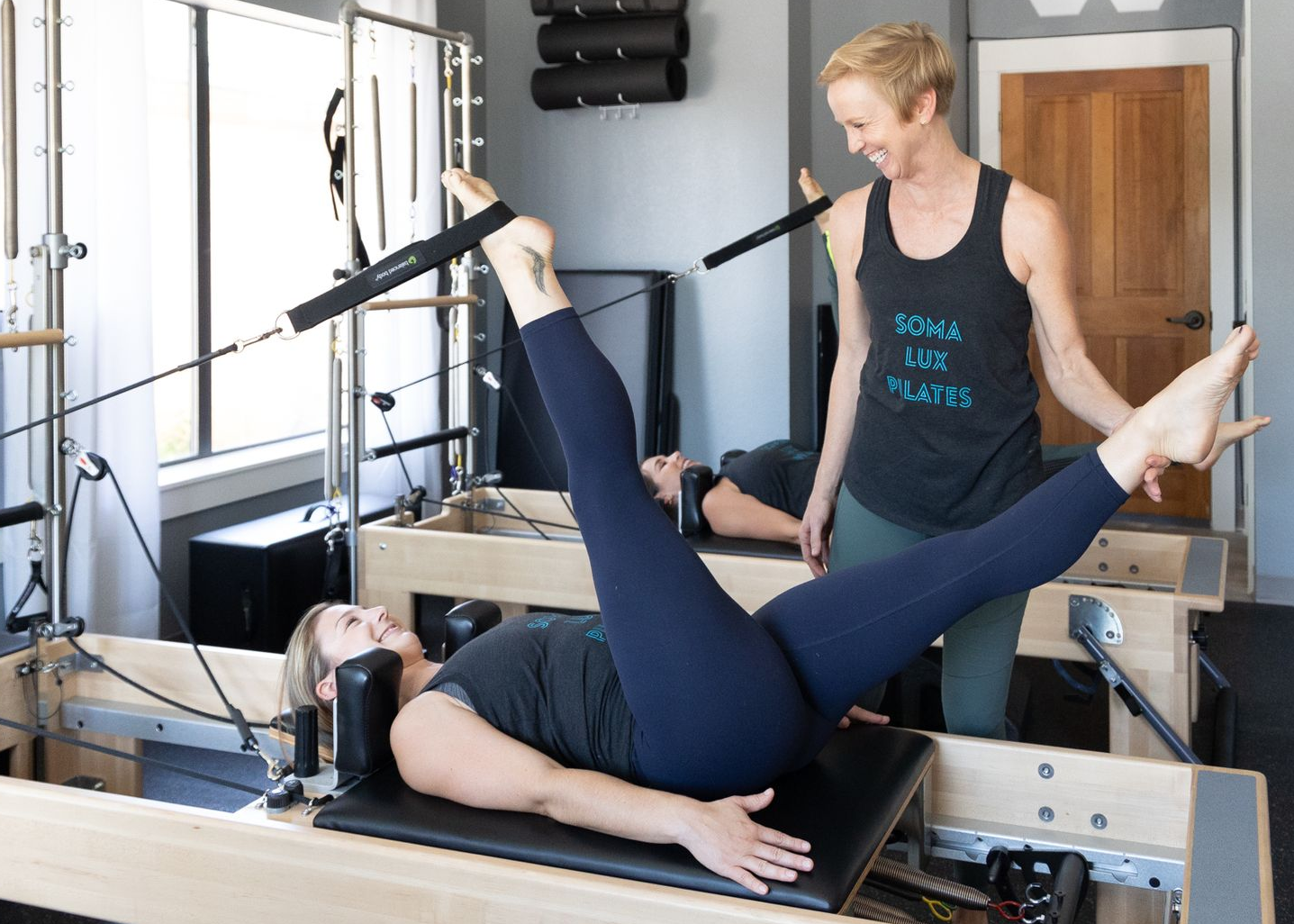
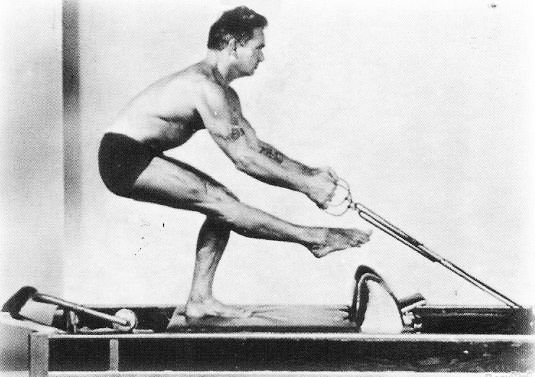
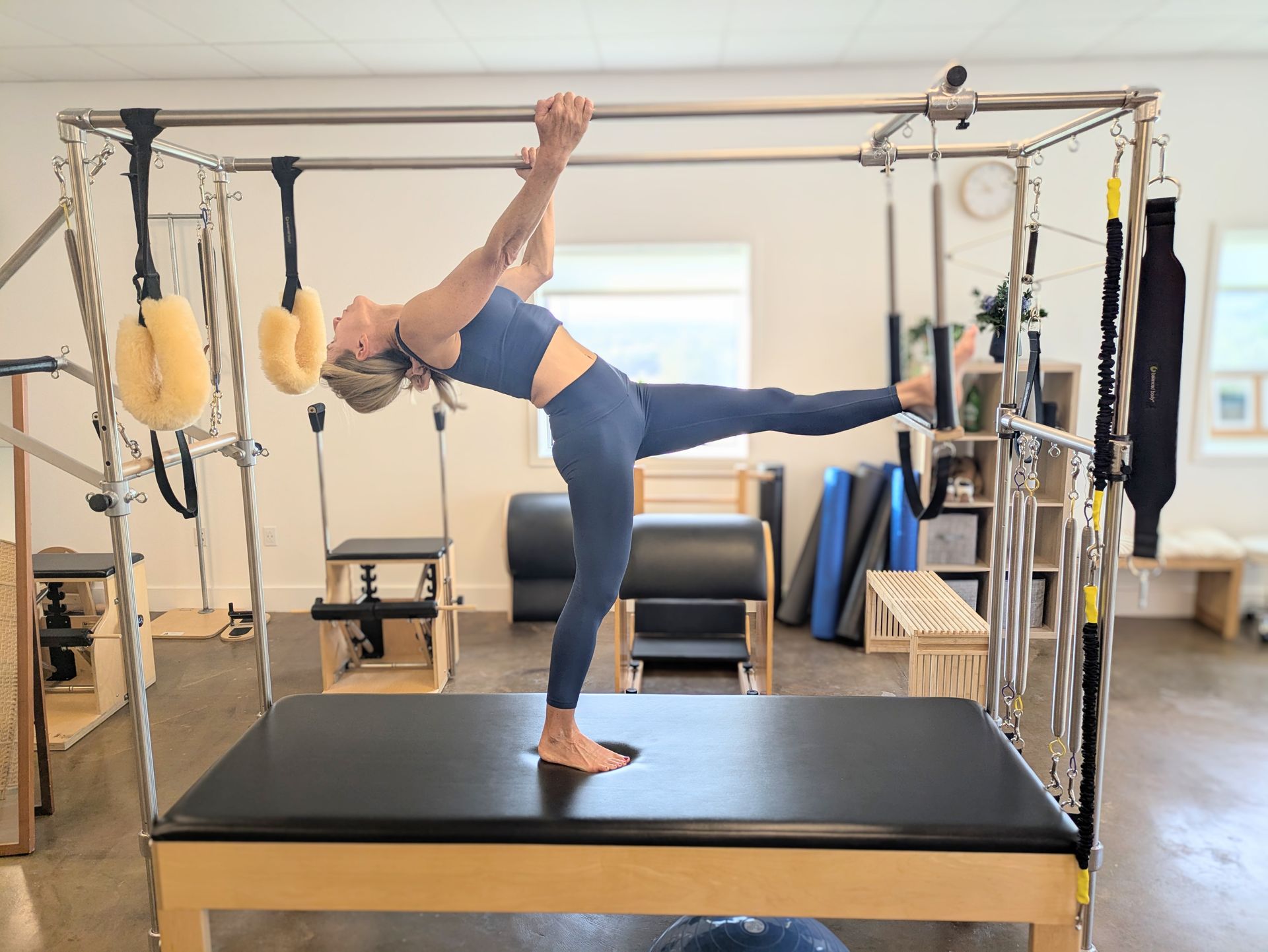
Pilates was developed by Joseph Pilates with a strong focus on physical rehabilitation, strength, and efficient movement. Pilates emphasizes precise, repeatable exercises designed to build strength, joint stability, and control over time, often using specialized equipment like the Reformer to support or challenge the body as needed. Because of this structure, Pilates is typically more individualized than many group-based movement practices.
Strength, Structure, and Longevity
One of the biggest distinctions is how strength is developed.
Pilates places a strong emphasis on core strength, alignment, and controlled movement, making it especially effective for people focused on longevity, injury prevention, or returning to movement safely. Yoga can offer powerful benefits for flexibility, stress reduction, and nervous system regulation, while Pilates tends to provide more structured strength progression over time.
This makes Pilates especially effective for people focused on longevity, aging well, injury prevention, or returning to movement safely.
Yoga, on the other hand, often emphasizes flexibility, flow, and nervous system regulation—though strength demands vary widely depending on the style.
Which Is Better: Pilates or Yoga?
There’s no single right answer. The best choice depends on your goals:
- If you’re seeking strength, stability, and structured progression, Pilates may be the better fit.
- If you’re drawn to spiritual practice, meditation, or flowing movement, yoga may resonate more.
- Many people find that Pilates and yoga complement each other beautifully.
Pilates in Dripping Springs at Soma Lux
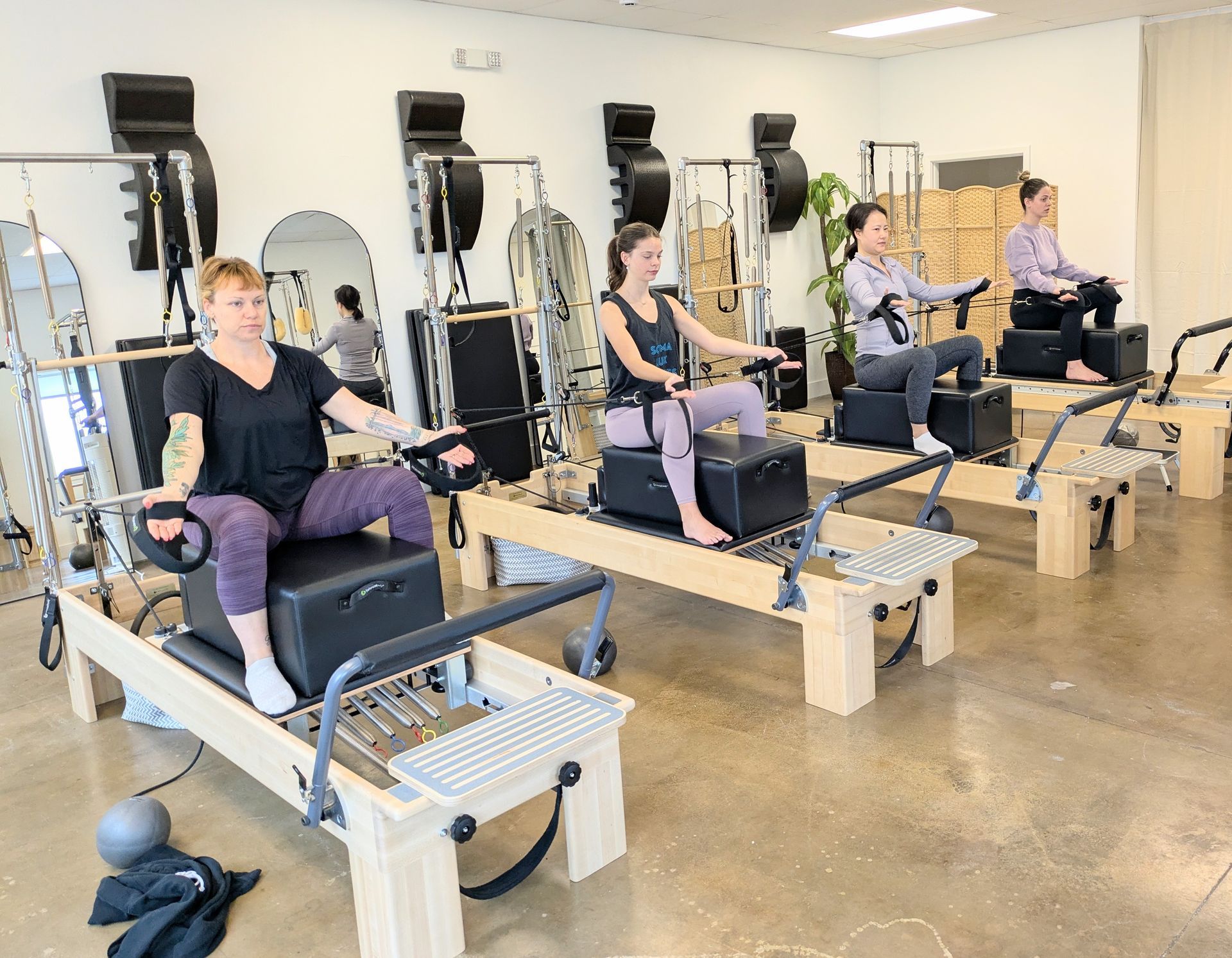
At Soma Lux Pilates, we offer beginner-friendly Pilates in a calm, supportive environment where movement is personalized—not one-size-fits-all. Our small classes and private sessions allow you to build strength and confidence at a pace that feels right.
Curious whether Pilates is right for you?
We’d love to welcome you into the studio and help you explore movement that supports your body for the long term.