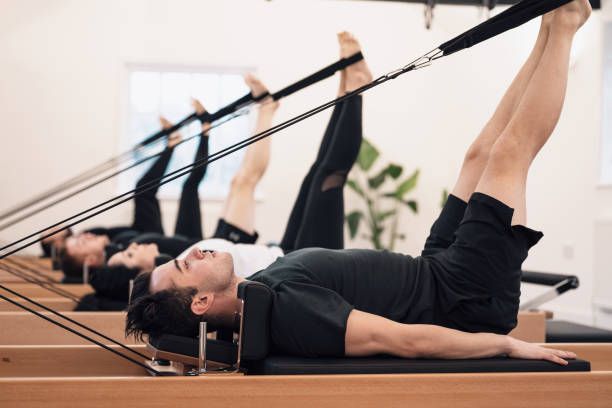
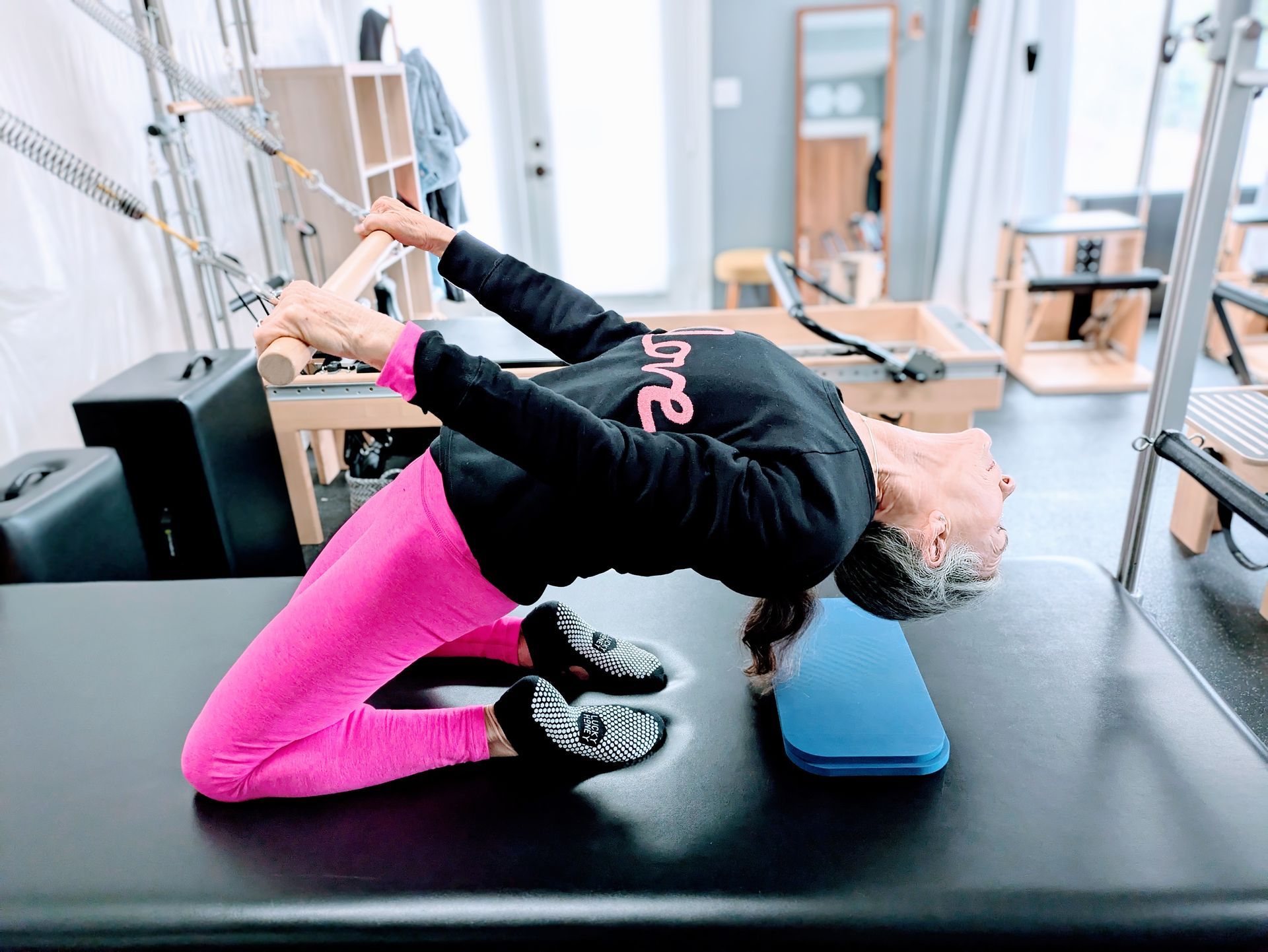
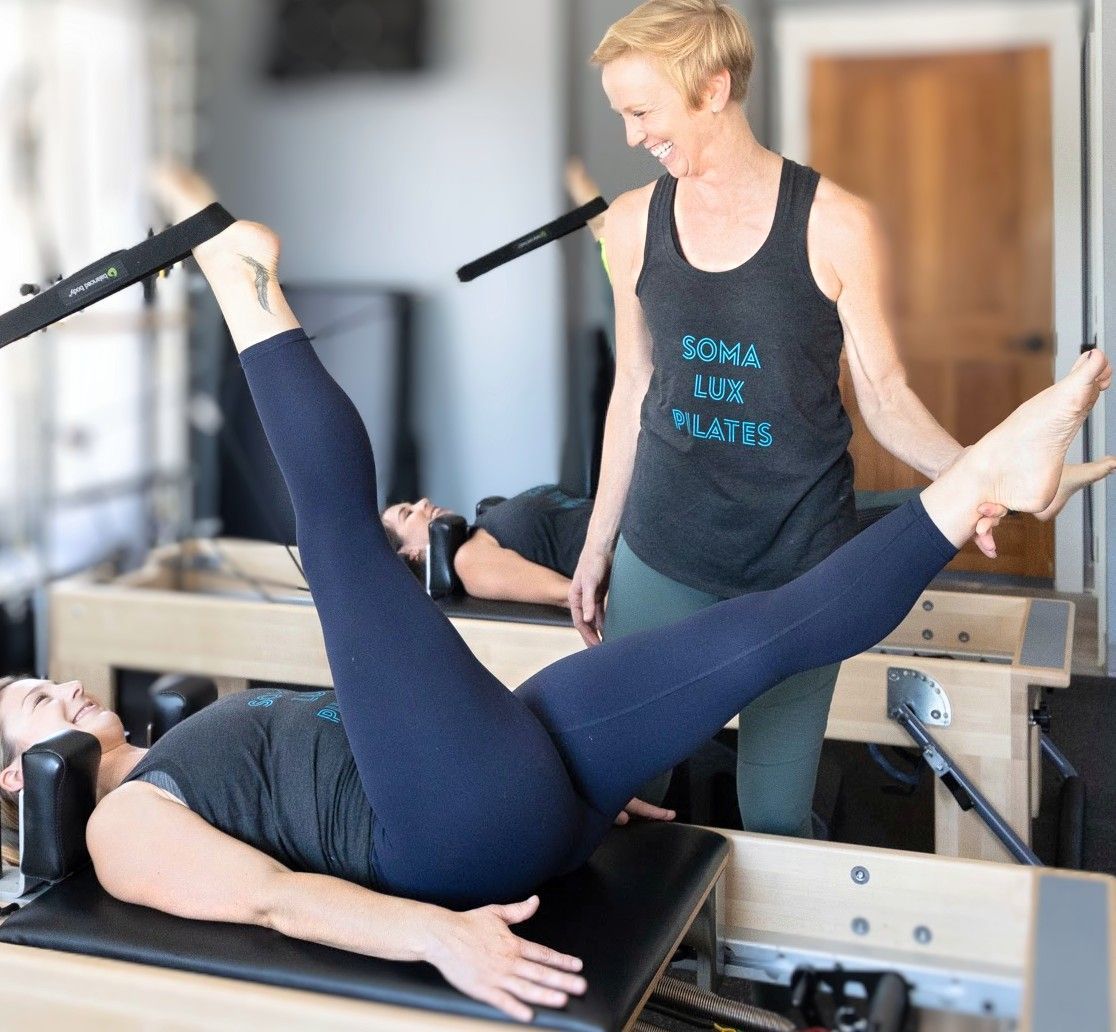
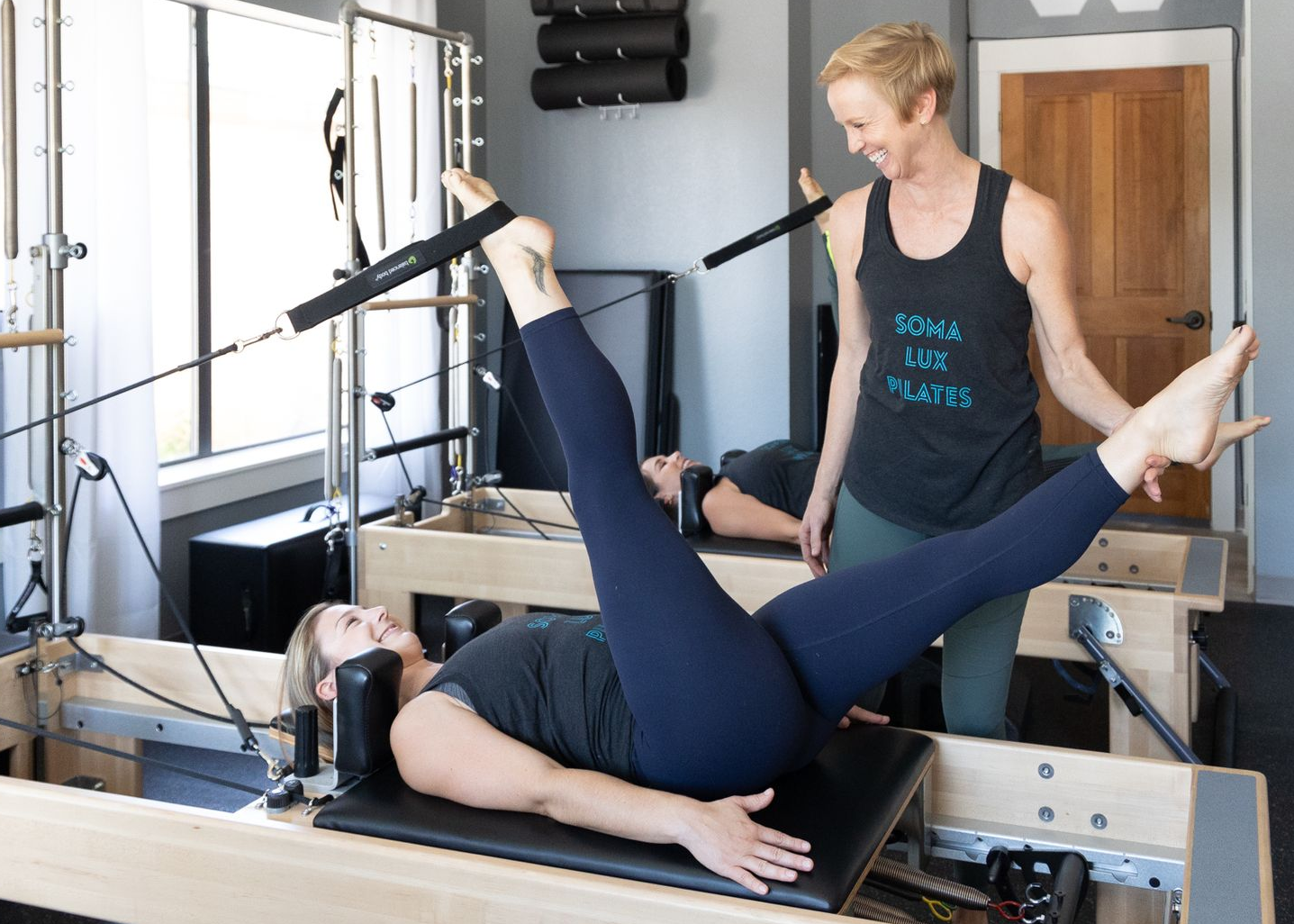
It's one of the questions we hear most — from brand-new clients and long-time regulars alike. And the honest answer is: it depends on your body, your goals, and what else you're asking your body to do this week.
But if you want a starting point, here it is:
for most people, 2-3 sessions a week is the sweet spot. Let's talk about why — and what that actually looks like for different bodies and different lives.
Why Consistency Beats Intensity
Pilates isn't about pushing yourself to exhaustion in a single session. It works because your body learns through repetition — building strength, coordination, and awareness session by session, not all at once. A single hard class won't change how you move through your day. A handful of consistent sessions, spaced out over weeks, will.
That's part of why we talk so much about consistency mattering more than intensity. Frequency is what turns Pilates from a workout into a practice.
What Would Joseph Pilates Say?
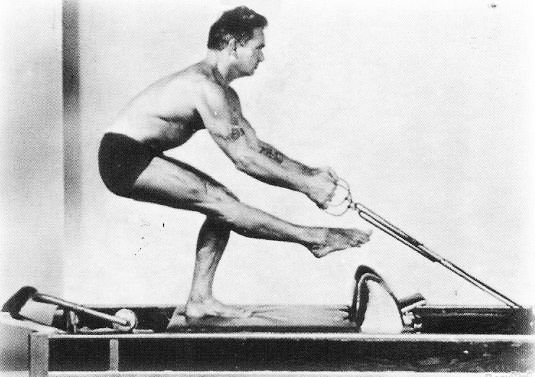
If Joseph Pilates had his way, we'd all be doing Pilates every single day. That's exactly why he designed the mat work — a quick series meant to be done at home each day, complementing what was already happening in the studio on the equipment.
If you'd ever like some "homework" to reinforce what you're doing in class, just ask your instructor. We also offer live virtual sessions if you want to kickstart a home practice — one of our team members can help you design a routine that fits.
What "Enough" Looks Like Depends on Why You're Here
There's no single right number, because there's no single reason people come to Soma Lux. A few real scenarios:
General strength and maintenance: Two sessions a week is often plenty to build and maintain strength, mobility, and body awareness over time.
Injury recovery or post-surgical care: Clients working through recovery — a knee replacement, a back injury, postpartum healing — sometimes benefit from more frequent, lower-intensity sessions, especially early on, with a teacher closely guiding pace and progression.
Working toward something specific: If you're preparing for a big hike, rebuilding strength after years away from movement, or working through a specific limitation, you might start with more frequent sessions in the early weeks, then settle into a maintenance rhythm once you've built a foundation.
This is exactly why we build individualized progression plans instead of handing every client the same schedule. What your body needs this month may look different from what it needs in six months — and that's the point.
What About Once a Week?
If you're currently coming in once a week, here's something worth hearing clearly: that counts.
Especially if you're pairing it with other movement — walking, strength training, yoga, gardening, chasing grandkids, whatever moves your body during the rest of your week — one consistent Pilates session can be a meaningful anchor. It gives you dedicated time to work on alignment, breath, and the kind of intentional, whole-body movement that's easy to skip when you're moving through life on autopilot.
A lot of our clients are in exactly this rhythm, and we want to be clear: showing up once a week, consistently, is real progress. It's not the minimum version of a "real" practice — it's a sustainable one.
That said, if you've been coming once a week for a while and you're curious what a second session might do — for your strength, your recovery, or just how your body feels day to day — it's worth asking. Some things, like body awareness and postural changes, tend to build faster with a bit more frequency. There's no pressure here. Just an open door, whenever you're curious.
Signs Your Body Is Telling You Something
Instead of chasing a specific number, it helps to learn to read your own signals:
- Feeling capable, not depleted after a session is a good sign you're in a sustainable rhythm.
- Persistent soreness or fatigue that doesn't ease between sessions might mean it's time to dial back or talk to your teacher about adjusting intensity.
- Plateaus or boredom are often a sign your body's ready for more — more frequency, more challenge, or simply a conversation about what's next.
This is part of what we mean when we talk about your body being worth understanding. The goal isn't to follow a rule. It's to get curious enough about your own body that you know what it needs.
Why Frequency Looks Different at Soma Lux
We don't hand out a blanket recommendation because we don't teach a blanket program. With more than a decade of experience working with clients navigating everything from postpartum recovery to joint replacements to simply returning to movement after years away, our teachers adjust frequency and intensity person by person — not session by session on a script.
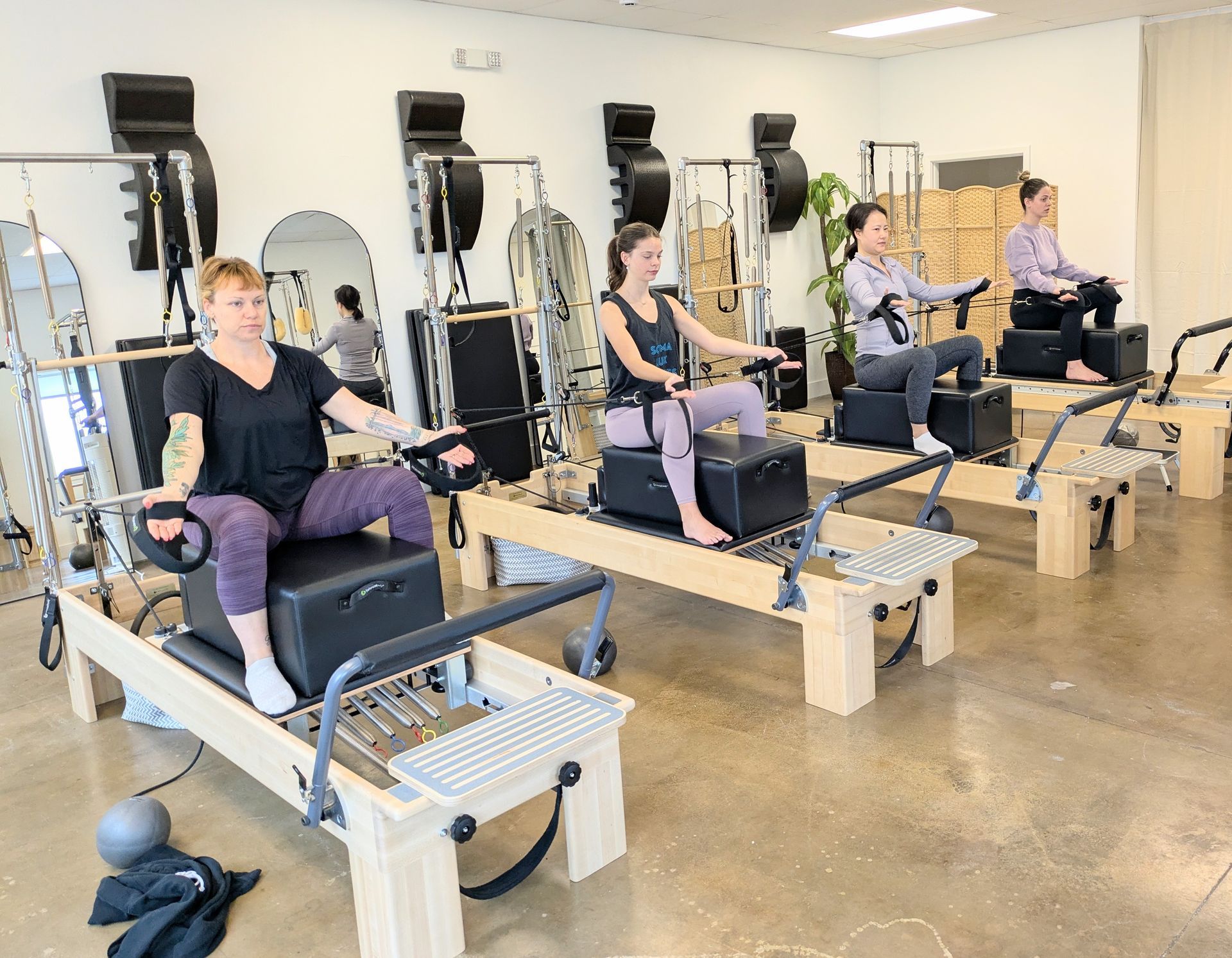
Our small class sizes mean your teacher actually notices when you're overdoing it, plateauing, or ready for more. That's not something we say to sound personalized. It's what individualized progression looks like in practice.
So, How Often Should You Really Do Pilates?
Often enough to build real strength and body awareness over time — however that looks for you right now. The best way to know what's right for your body is to have someone actually look at it, listen to what you're working with, and build a plan around it.
That's what we're here for.